 delishing
How to Make Creamy Garlic Mashed Potatoes on the Stovetop

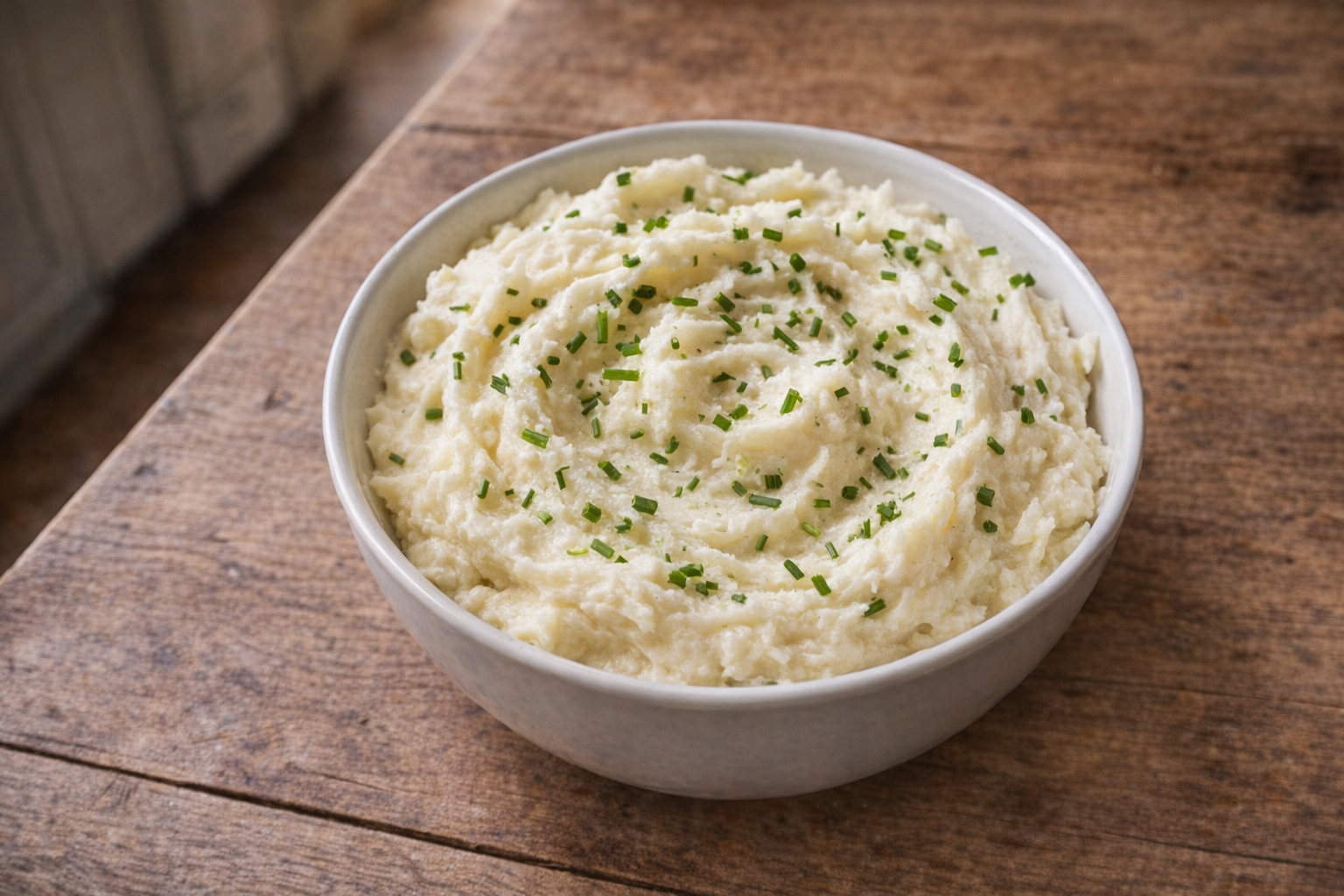
Garlic mashed potatoes are a comforting and versatile side dish that perfectly complements a wide range of main courses. The combination of creamy potatoes and savory garlic creates a flavor profile that is both satisfying and appealing to a broad range of palates. Whether you prefer a smooth, velvety texture or a slightly chunkier consistency, mastering the art of garlic mashed potatoes opens the door to endless culinary possibilities.
This method, using the stovetop, provides optimal control over the cooking process, allowing you to achieve the perfect level of tenderness and flavor infusion. It's a simple yet effective way to transform humble potatoes into a crowd-pleasing dish that will elevate any meal.
Understanding Potatoes
Selecting the right potatoes is crucial for achieving the desired texture and flavor in your mashed potatoes. Different varieties have varying starch content, which affects their consistency when cooked.
- Russet Potatoes: High in starch, resulting in fluffy and light mashed potatoes. They absorb flavors well but can become dry if over-mashed.
- Yukon Gold Potatoes: Medium starch content, offering a creamy and slightly buttery texture. They hold their shape well and are less likely to become gluey.
- Red Potatoes: Low in starch, resulting in dense and slightly waxy mashed potatoes. They have a subtle sweetness and are best suited for chunkier mashes.
Why Cook Mashed Potatoes This Way?
- Versatility: Pairs well with roasted meats, grilled vegetables, or as a base for shepherd's pie.
- Flavor: The stovetop method allows for precise control over the garlic infusion, resulting in a well-balanced and aromatic dish.
- Convenience: Requires minimal equipment and is a relatively quick and straightforward cooking process.
Preparation (Mise en Place)
- Wash the potatoes thoroughly under cold running water to remove any dirt or debris.
- Peel the potatoes, removing all traces of skin. Alternatively, for a more rustic texture, leave the skins on.
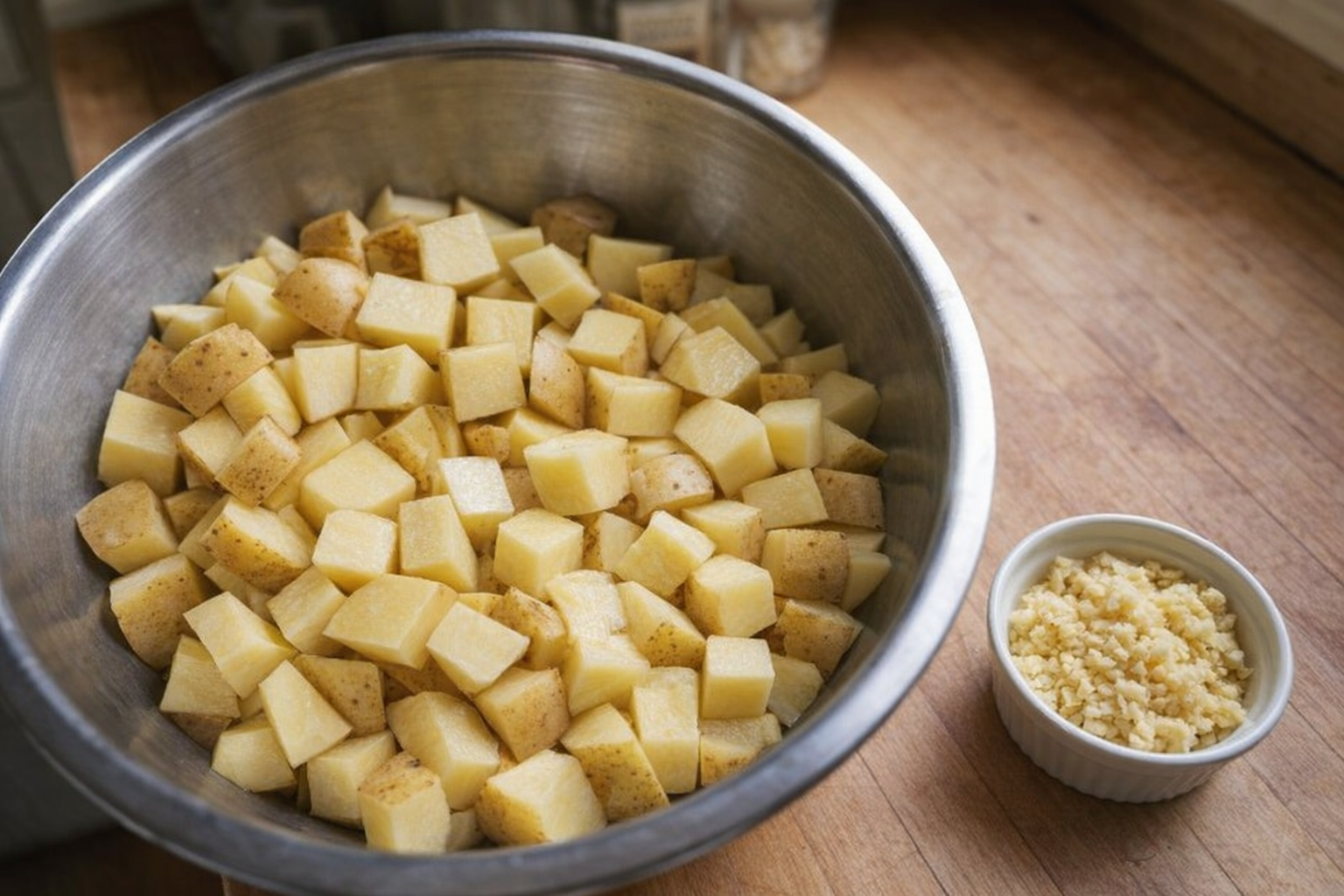
- Cut the potatoes into uniform 1-2 inch cubes. This ensures even cooking.
- Mince the garlic cloves. For a more subtle garlic flavor, you can use whole cloves and remove them after boiling.
Essential Tools
- Large Pot: A heavy-bottomed pot ensures even heat distribution and prevents scorching.
- Potato Masher: A traditional potato masher provides control over the texture, allowing you to achieve your desired consistency.
- Garlic Press (optional): Simplifies the process of mincing garlic.
- Colander: For draining the cooked potatoes.
The Cooking Method
Creamy Garlic Mashed Potatoes
Ingredients:
- 2 pounds (900g) Yukon Gold potatoes, peeled and cubed
- 4 cloves garlic, minced
- 1/2 cup (120ml) milk or cream
- 4 tablespoons (57g) butter, unsalted
- Salt and freshly ground black pepper to taste
- Optional: 2 tablespoons chopped fresh chives or parsley, for garnish
- Place the cubed potatoes in a large pot and cover with cold water. Add a generous pinch of salt to the water.
- Bring the water to a boil over high heat, then reduce the heat to medium and simmer for 15-20 minutes, or until the potatoes are fork-tender. You should be able to easily pierce a potato cube with a fork.
- While the potatoes are cooking, melt the butter in a small saucepan over medium heat. Add the minced garlic and sauté for 1-2 minutes, until fragrant but not browned. Be careful not to burn the garlic, as it will become bitter. The aroma of garlic filling the kitchen is a welcome sign.
- Once the potatoes are cooked, drain them thoroughly in a colander. Return the drained potatoes to the pot.
- Pour the garlic-infused butter and milk/cream over the potatoes.
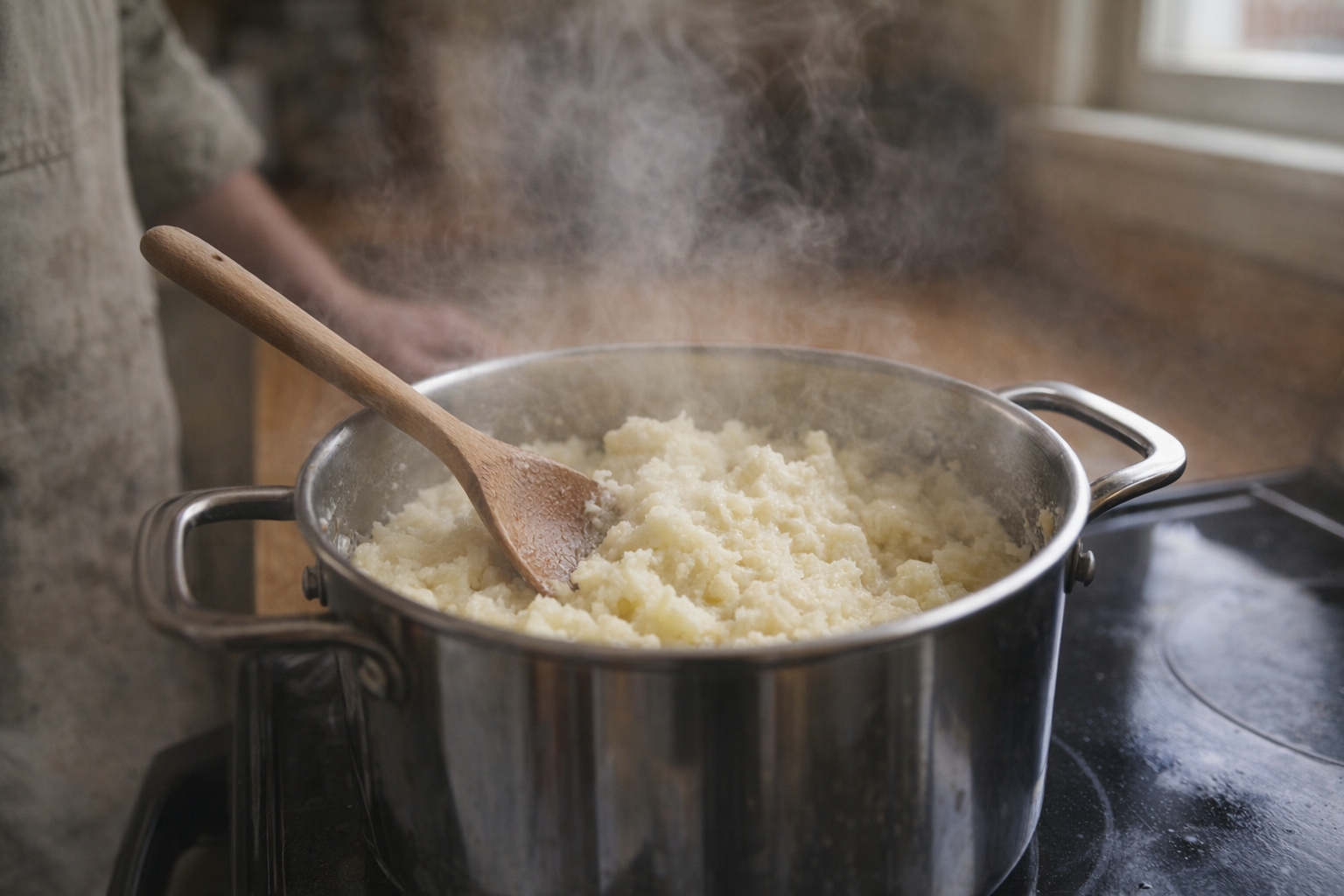
- Using a potato masher or an electric mixer, mash the potatoes until smooth and creamy. Season with salt and pepper to taste. If using an electric mixer, be careful not to over-mix, as this can result in gluey potatoes. Listen for the change in sound as the potatoes become smooth.
- Taste and adjust the seasoning as needed. Add more milk or cream if the potatoes are too thick.
- Garnish with chopped fresh chives or parsley, if desired. Serve hot.
Cooking Time & Doneness Guide
- Cooking Time: 15-20 minutes for boiling the potatoes, plus 5-10 minutes for mashing and seasoning.
- Internal Temperature: While not strictly necessary for mashed potatoes, ensuring the potatoes reach an internal temperature of 210°F (99°C) confirms they are fully cooked and tender.
Visual Cues
- The potatoes should be easily pierced with a fork or knife.
- They should break apart with minimal pressure.
- The mashed potatoes should be smooth and creamy, with no large lumps remaining.
Tips for Perfection
- Don't overcook the potatoes: Overcooked potatoes absorb too much water and can become waterlogged and mushy.
- Warm the milk or cream: Adding cold milk or cream can lower the temperature of the potatoes and result in a less creamy texture.
- Use a ricer for extra-smooth potatoes: For the smoothest possible mashed potatoes, pass the cooked potatoes through a potato ricer before adding the butter and milk.
- Don't over-mash: Over-mashing releases too much starch, resulting in gluey potatoes.
Storage & Reheating
- Storage: Store leftover garlic mashed potatoes in an airtight container in the refrigerator for up to 3-4 days.
- Reheating: The best way to reheat mashed potatoes is on the stovetop over low heat. Add a splash of milk or cream to help restore their creamy texture. You can also reheat them in the microwave, but be careful not to overheat, as this can make them dry and rubbery. Add a pat of butter before microwaving to help retain moisture.
Serving Suggestions
- With Roasted Chicken: Garlic mashed potatoes are a classic accompaniment to roasted chicken, providing a comforting and flavorful base for the juicy meat.
- As a Shepherd's Pie Topping: Use garlic mashed potatoes as a topping for shepherd's pie, creating a creamy and flavorful crust.
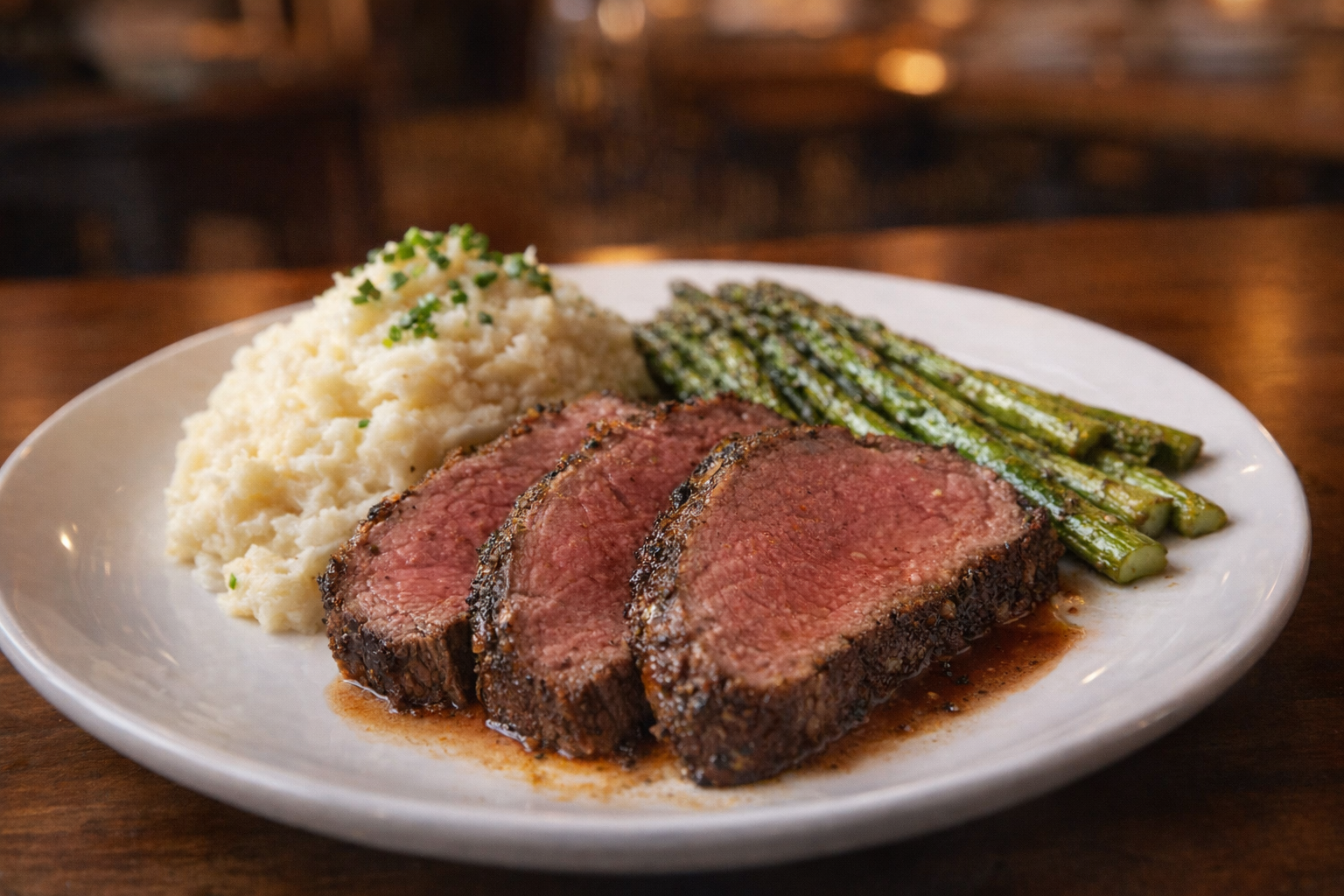
- Alongside Grilled Steak: The richness of garlic mashed potatoes complements the savory flavor of grilled steak, creating a balanced and satisfying meal.
- With Sautéed Vegetables: Serve garlic mashed potatoes with sautéed vegetables like asparagus, green beans, or Brussels sprouts for a complete and nutritious meal.
💡 Pro Tips
- Cut your potatoes into uniform cubes so they cook at the same rate and reach the perfect tenderness simultaneously.
- Start the potatoes in cold salted water to ensure they cook evenly from the center to the outside.
- Return the drained potatoes to the warm stovetop for a minute to steam off excess moisture before mashing.
- Infuse your butter and milk with the garlic over low heat before mixing them into the potatoes for a more cohesive flavor.
- Use a hand masher or ricer instead of an electric mixer to prevent the potatoes from becoming gummy or gluey.
Frequently Asked Questions
Yes, you can! Russet potatoes will create a fluffier mash, but be careful not to over-mash them. Red potatoes will give you a denser, more textured result, which is great if you prefer a chunkier mash.
While fresh garlic is ideal for the best flavor, you can substitute with garlic powder. Start with about 1/2 teaspoon of garlic powder per pound of potatoes and adjust to taste, adding it after the potatoes are mashed.
Over-mashing is the main culprit for gluey potatoes. Avoid using a food processor or blender. Instead, use a potato masher or ricer, and don't overwork the potatoes once they are cooked and soft.
Leftover garlic mashed potatoes can be stored in an airtight container in the refrigerator for up to 3-4 days. Reheat them gently on the stovetop with a splash of milk or cream to restore their creamy texture.